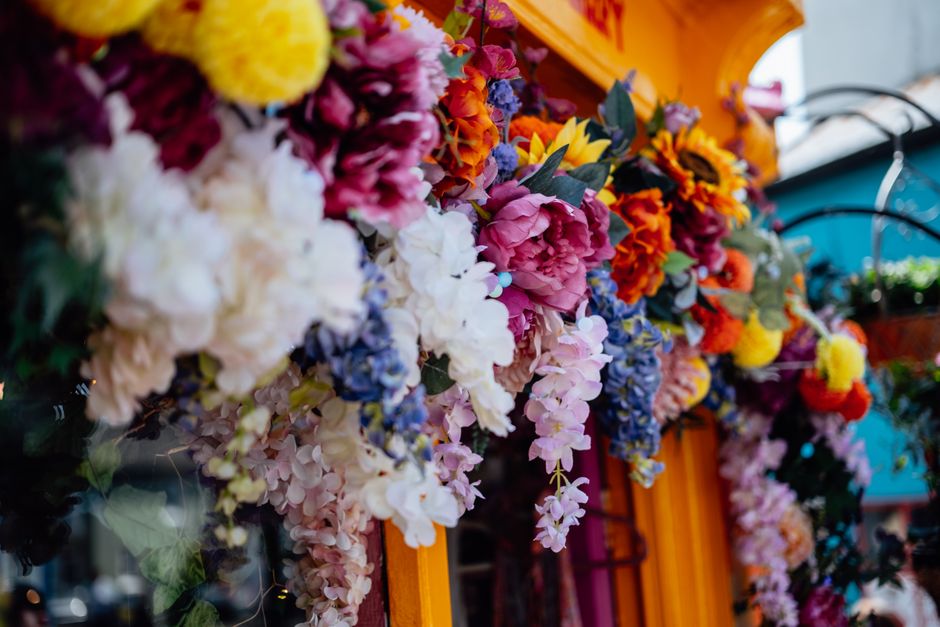
Hackney Council rules for street floral displays
Posted on 15/10/2026
Hackney Council rules for street floral displays: a practical guide for businesses, residents and event organisers
If you are planning street floral displays in Hackney, the details matter more than people often expect. A neat row of planters outside a shop, a floral installation for a wedding, or a seasonal display on a pavement can transform a street. But once flowers start occupying public space, Hackney Council rules for street floral displays can come into play, and that is where many good ideas go a bit wobbly. The aim here is simple: help you understand what usually needs checking, what can cause problems, and how to plan a display that looks brilliant without creating avoidable hassle.
Truth be told, most issues are not about the flowers themselves. They are about placement, safety, access, and whether the display affects neighbours or pedestrians. So let's walk through the practical side of it, in plain English.
Table of Contents
- Why Hackney Council rules for street floral displays Matters
- How Hackney Council rules for street floral displays Works
- Key Benefits and Practical Advantages
- Who This Is For and When It Makes Sense
- Step-by-Step Guidance
- Expert Tips for Better Results
- Common Mistakes to Avoid
- Tools, Resources and Recommendations
- Law, Compliance, Standards, or Best Practice
- Options, Methods, or Comparison Table
- Case Study or Real-World Example
- Practical Checklist
- Conclusion
- Frequently Asked Questions
Why Hackney Council rules for street floral displays Matters
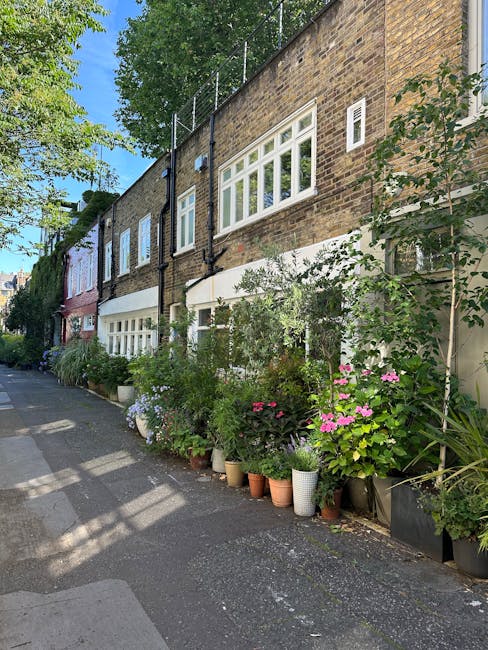
Street floral displays sound harmless, and most of the time they are. A few planters outside a cafe, a wedding floral arch near a venue, or a memorial display in a local neighbourhood can add colour and warmth. But public streets are shared space. That means displays cannot simply be placed wherever they look nice. They may need to work around pavement width, access routes, visibility at junctions, cleaning schedules, loading bays, and the everyday flow of people, pushchairs, wheelchairs, and bikes.
In Hackney, as in most parts of London, local rules and practical expectations are usually driven by a few key concerns:
- keeping pavements clear and safe
- avoiding obstruction to pedestrians and emergency access
- preventing trip hazards from pots, stands, wires or fixings
- protecting road users' sight lines near crossings and corners
- making sure anything temporary does not become clutter, waste, or damage
That might sound obvious, but in real life these are the exact things that can turn a well-intentioned floral setup into a complaint. You'll notice this especially in busy pockets of Hackney where footfall is constant and space is tight. A display that looks fine at 7am can feel very different at lunch when the street is moving.
Expert summary: if your display touches public land, think first about safety, access and maintenance. The prettier the display, the more important the practical planning becomes. A good floral design should feel effortless to the public, even though it takes quite a bit of effort behind the scenes.
How Hackney Council rules for street floral displays Works
There is not usually one single "flower display rule" that covers everything. Instead, the council's expectations tend to sit alongside wider local authority powers around highways, public safety, environmental health, and street use. In simple terms, the council will care about what the display is, where it sits, whether it affects movement, and how it is managed day to day.
Here is how it normally works in practice:
- You identify the type of display. Is it a planter outside a shop, floral decor for an event, a memorial tribute, a seasonal frontage display, or a larger installation across the pavement?
- You check the location. A display on private property is a very different matter from something on the highway, pavement, verge, or near a crossing.
- You consider whether the display is temporary or ongoing. A one-day wedding installation may be assessed differently from a year-round frontage display.
- You think through the practical risks. Can people pass safely? Could the display topple in wind? Is there water spillage? Would it block a shop sign, bus stop, dropped kerb, or accessible route?
- You seek permission where needed. Depending on the setup, that may involve the council, the landowner, or another responsible party. Sometimes the answer is straightforward; sometimes it is not. Funny how the simple ideas are the ones that need the most paperwork.
- You maintain the display properly. A permitted display still needs regular checks, especially if weather, foot traffic, or seasonal changes could affect it.
For businesses, the key point is that decorative floral work and street occupation are not the same thing. A bouquet in a window is one thing. A line of planters that narrows the pavement is another. That distinction matters a lot.
If you are coordinating flowers for an event in the area, it also helps to understand your wider delivery and timing arrangements. For example, many organisers pair outdoor decor planning with delivery arrangements and a local supplier such as a Hackney florist who understands the rhythm of local streets and tight setup windows.
Key Benefits and Practical Advantages
Following the right process is not just about avoiding a complaint. Done properly, street floral displays can bring real value. That is the bit people sometimes miss while they focus only on permissions.
- Better street presentation. Flowers soften hard edges, brighten shopfronts, and create a more welcoming feel. Even a small display can change how a frontage reads from the pavement.
- Fewer interruptions. When the setup is planned around access and safety, there is less chance of last-minute objections or having to move things on the day.
- Stronger public response. People tend to notice displays that feel thoughtful rather than shoved into place. That positive reaction can matter for retailers, venues and community spaces.
- Lower maintenance stress. A properly planned floral display is easier to water, tidy and remove. Without that, you can end up chasing fallen petals in the wind. Not glamorous, but real.
- Better collaboration. Neighbours, landlords, shop managers and event teams usually cooperate more easily when the display is clearly safe and well explained.
There is also a less obvious benefit: a compliant display tends to age better. It stays neat longer, which means the investment actually holds up over the days or weeks you need it to. A display that starts well but becomes lopsided by day two never quite works.
Who This Is For and When It Makes Sense
This topic is relevant to more people than you might expect. Not just florists. Not just event planners either. In Hackney, street floral displays can crop up in all sorts of settings.
- Independent shops and cafes wanting to improve their frontage with planters or seasonal flowers
- Wedding and event organisers planning outdoor floral features near entrances, marquees or pavement edges
- Florists delivering or installing displays that may sit partly in shared space
- Community groups creating memorial, celebration or neighbourhood beautification displays
- Property managers and landlords who want attractive, low-risk frontage styling
- Residents arranging a temporary floral tribute outside a home or shared building
It makes sense to look into the rules whenever the display might:
- sit on a pavement, verge, or highway edge
- be visible to or interacted with by the public
- include stands, frames, arches, cages, rails, weighted containers or fixings
- remain in place after the event or shop opening
- need watering, daily checks, or removal at a specific time
In our experience, people often assume temporary means informal. Not quite. A one-day installation can still need careful thought if it sits where walkers, cyclists or prams move through. That is where good planning saves embarrassment.
Step-by-Step Guidance
If you are trying to keep things practical, here is a sensible way to approach a street floral display in Hackney. It is not fancy, just effective.
1. Define the purpose of the display
Start by being clear on what the flowers are doing. Are they decoration, direction, commemoration, branding, or a celebration? A florist arranging wedding table arrangements indoors needs a different setup from a planter or garland placed near the street. Purpose shapes the permissions and the risk level.
2. Measure the space properly
Do not guess. Measure the width of the pavement, the distance to the kerb, nearby street furniture, door swings, and any access points. A display that looks compact on a sketch can feel oversized once it is in place.
3. Check for obstruction risks
Think through what the public will actually do with the space. Will two people pass side by side? Can a wheelchair manoeuvre safely? Does the display make someone step into the road? Those are the real tests.
4. Choose materials that can cope outdoors
Outdoor floral displays need sturdier materials than indoor ones. Containers should be stable, flowers should tolerate wind and temperature shifts, and any support needs to be discreet but secure. Decorative wire or tall frames can be beautiful, but they also need proper fixing.
5. Decide how the display will be maintained
Who waters it? Who removes debris? Who checks it after rain or high winds? A display without an owner is usually the one that ends up looking tired quickest. Nobody wants soggy stems and muddy runoff on the pavement by Thursday afternoon.
6. Confirm permission before installation
If the display touches public space, get the permission or clarification you need before anything is set out. If the site is private but close to the highway, it is still sensible to confirm whether the council has any concerns about visibility or access.
7. Install with a clean removal plan
Always know how and when the display will come down. Temporary floral work should leave no damage, staining, debris or fixings behind. That part is just as important as the install itself.
Practical rule of thumb: if a passer-by would need to hesitate, squeeze past, or step around your display, it probably needs a second look.
Expert Tips for Better Results
A few small decisions can make the difference between a display that feels polished and one that looks slightly awkward. Honestly, the little things are the big things here.
- Keep the footprint modest. It is tempting to go bigger because flowers are forgiving, but public space is not.
- Use weighted containers carefully. They should be stable without creating a lifting hazard or rough edge.
- Plan for weather. London rain, gusts and heat can all affect freshness and stability. A windy afternoon can be a bit of a menace.
- Choose flowers with staying power. Hardier stems often make more sense outdoors than fragile, high-drama blooms that wilt quickly.
- Match the display to the street. A heritage setting, a busy retail strip and a quiet residential road all need different levels of visual noise.
- Keep maintenance simple. If your team cannot realistically maintain the arrangement twice daily, design it to survive longer without intervention.
- Use a sympathetic colour palette. Not every display needs to shout. Sometimes softer tones sit better with the surroundings, especially where the street already has a lot going on.
One useful approach is to think in layers: base stability, pedestrian safety, visual appeal, then longevity. In that order. If the base is wrong, the rest becomes a scramble.
You may also want to coordinate the floral style with the message of the occasion. For example, a subtle arrangement from a range like white flowers, mixed colours or purple blooms can suit different moods without feeling overworked.
Common Mistakes to Avoid
Most avoidable problems come from rushing the setup. That is the blunt version, but it is true.
- Assuming anything temporary is automatically acceptable. Temporary displays can still obstruct access or create trip hazards.
- Forgetting about cleaning and runoff. Water, petals, moss, soil and packaging can all create mess if you have not planned for them.
- Blocking sight lines. Tall arrangements near junctions, crossings or driveways can be more of an issue than they first appear.
- Using lightweight bases outdoors. A display that is lovely inside the shop may not be robust enough outside on a breezy pavement.
- Leaving displays out too long. If the arrangement is meant to be short-term, do not let it drift into "we'll remove it next week" territory. Next week has a habit of becoming next month.
- Not assigning responsibility. Someone must own the display, check it, and respond if it shifts or deteriorates.
A quiet mistake that comes up a lot is over-decorating the space around the flowers. Bunting, signboards, crates, chalkboards and extra props can quickly turn a simple floral display into street clutter. It starts festive, ends fussy.
Tools, Resources and Recommendations
You do not need a huge kit to plan a good street floral display, but a few tools make everything easier and safer.
- Tape measure or laser measure for checking actual clearance
- Site photos taken at different times of day to understand foot traffic and light
- Simple sketch plan showing where each container or floral element will sit
- Weather app and wind forecast for planning installation and maintenance windows
- Installation checklist so nothing gets forgotten on the day
- Cleaning supplies for petals, water spills and packaging remnants
- Weighted bases, secure containers and ties where appropriate and permitted
For flowers themselves, it can help to choose varieties and arrangements that are naturally manageable. If the display is connected to a wider occasion, browse practical options such as best sellers, luxury flowers, or occasion-led ranges like any occasion and florist choice. Those categories are helpful when you want a display that feels polished but not overcomplicated.
If the floral work is part of a larger event, wedding or business occasion, it may also be worth comparing delivery timing and product readiness. A display that arrives too early or too late can be a headache. Simple as that.
Law, Compliance, Standards, or Best Practice
Because this topic touches public space, the safest approach is to treat compliance as a practical duty, not a box-ticking exercise. The exact permission process can vary depending on the street, the ownership of the land, and whether the display sits wholly on private property or partly on the public highway.
Good practice usually includes the following:
- keeping public routes clear and accessible
- avoiding any unsafe or unstable structure
- not creating visual obstruction near road junctions, crossings, or driveways
- ensuring displays are maintained and removed responsibly
- respecting noise, waste, and nuisance considerations if the setup is event-based
Where a display may involve the highway or pavement, it is sensible to seek clarification before installation rather than after. That is the safer route because councils tend to care most about public safety and access. If the display is close to a listed building, busy transport stop, school route, or narrow pavement, the bar for caution gets higher.
Best practice also means thinking beyond the installation date. Ask yourself: what happens if the wind picks up, if the flowers droop, if people move containers, or if a delivery driver needs access? These are the day-to-day realities that matter more than the concept board.
And one more thing: keep records. A simple email trail, site sketch, or photo log can help if you ever need to explain what was agreed. Not exciting, but very useful.
Options, Methods, or Comparison Table
Different floral display approaches suit different needs. Here is a straightforward comparison to help you choose the right format for a Hackney location.
| Display type | Best for | Pros | Watch-outs |
|---|---|---|---|
| Window-facing frontage flowers | Shops and cafes with limited pavement impact | Low risk, easy to maintain, strong visual effect | May still need checking if pots sit near the edge of the pavement |
| Freestanding planters on the pavement | Retail streets and hospitality settings | Flexible and eye-catching | Can obstruct movement if too large or badly placed |
| Event floral arches or entry features | Weddings and private events | High visual impact, good for photos | Needs careful stability and clearance checks |
| Memorial or tribute displays | Short-term community or family tributes | Respectful, meaningful, easy to personalise | May create clutter if not time-limited and monitored |
| Large street installation | Brand campaigns or major local events | Memorable, visually strong | Usually needs the most planning, permissions and oversight |
For most people, the sweet spot is something small, tidy and well anchored. Bigger is not always better. In fact, smaller often looks more confident because it fits the street instead of fighting it.
Case Study or Real-World Example
Imagine a small cafe on a Hackney high street wanting to brighten its frontage for spring. The owner likes the idea of two large planters by the entrance, with trailing flowers and seasonal colour. Lovely idea, really. But the first draft places one planter close to the kerb and another near the door swing.
After a quick rethink, the layout is adjusted. The planters are moved fully within the frontage line, leaving a clear walking route. The containers are weighted properly, the watering plan is assigned to opening staff, and the flowers chosen are hardy enough to last through a damp week without looking exhausted. The cafe keeps the welcoming look, and nobody has to side-step the display into the road.
That kind of outcome is exactly what good planning is for. No drama, no last-minute scramble, no awkward conversation with a neighbour or passer-by. The flowers do their job quietly, which is kind of the dream.
We have seen similar thinking work well for weddings too. A couple may want a floral display near the venue entrance, but the final arrangement needs to leave space for guests, suppliers and any neighbouring businesses. When the setup is measured and timed properly, it looks elegant. When it is not, it can become a bottleneck. Same flowers. Very different experience.
Practical Checklist
Use this checklist before you install any street floral display in Hackney.
- Have I confirmed whether the flowers will sit on private land or public space?
- Have I measured the available width properly?
- Will people, pushchairs, wheelchairs and bikes still pass comfortably?
- Could the display block a doorway, crossing, junction, sign, or access point?
- Are the containers stable enough for outdoor conditions?
- Is there a clear plan for watering and daily checks?
- Have I considered wind, rain and heat?
- Do I know when the display will be removed?
- Have I kept packaging, fixings and cleaning needs in mind?
- Do I have written notes or photos of the agreed plan?
If you can tick most of those off, you are in a much stronger place. If several answers are shaky, it is worth pausing and refining the plan before anyone starts placing pots on the pavement.
Get a free quote today and see how much you can save.
Conclusion
Hackney Council rules for street floral displays are really about balance: making streets look better without making them harder to use. Once you think in those terms, the rest becomes much clearer. Measure the space. Respect the pavement. Keep things stable. Plan maintenance. Ask questions early if the display touches public land.
That approach protects the look of the flowers, the comfort of the public, and your own peace of mind. And to be fair, that last bit counts for a lot. A floral display should feel joyful, not like a small legal puzzle in disguise.
If you are still deciding on the right style, choose something simple, local and manageable. Done well, even a modest display can lift a street and give people that little moment of pleasure as they pass by. Sometimes that is enough. Sometimes it is exactly enough.
Frequently Asked Questions
Do I need permission for street floral displays in Hackney?
If the display is on public pavement, highway, verge, or any shared space, permission or clarification may be needed. Displays fully on private land are usually simpler, but you should still consider access, safety and visibility.
Can I put flower planters outside my shop in Hackney?
Yes, sometimes you can, but only if the planters do not obstruct the pavement or create a safety issue. Measure carefully and think about how busy the street gets at peak times.
What counts as a street floral display?
It can include planters, floral arches, garlands, tribute displays, seasonal frontage flowers, and temporary decorative arrangements that sit in or around public-facing areas.
Are temporary floral displays treated differently from permanent ones?
Usually, yes. Temporary displays may be easier to justify, but they still need to be safe, stable and non-obstructive. "Temporary" is not a free pass.
How wide should a pavement route remain clear?
There is no one-size-fits-all answer here, because the right clearance depends on the street, footfall and local context. The safest approach is to ensure easy two-way movement and enough space for mobility users, buggies and bikes where relevant.
What are the main risks with floral displays on the street?
The biggest risks are obstruction, trips, instability in wind, water spillage, blocked sight lines and clutter. If you remove those risks early, the display is much more likely to be fine.
Can floral displays be used for weddings or private events near the pavement?
Yes, but the setup needs to respect the public realm. Event displays often need more planning because guest movement, suppliers and timing can all affect how the space works.
What flowers are best for outdoor street displays?
Hardier blooms and sturdier foliage usually work best outdoors. Choose flowers that hold up well in changing weather and do not need constant delicate handling. A florist familiar with local conditions can help here.
How do I keep a street floral display looking tidy?
Use stable containers, schedule regular checks, remove wilted stems promptly, and keep the surrounding area clean. A little maintenance goes a long way. A display can look sharp for longer than people expect if it is looked after properly.
Do I need to think about accessibility?
Absolutely. Accessibility is one of the first things to check. The display should not create barriers for wheelchair users, people with prams, or anyone with limited mobility.
What should I do if I am unsure whether a display is allowed?
Pause and get clarification before installation. It is much easier to adjust the plan early than to move a display after it has already been placed. That awkward shuffle can be avoided.
Can a local florist help with compliance as well as design?
A good local florist often can. They may not replace formal permission checks, but they can help design a display that is more stable, easier to maintain and better suited to the street environment.