What Hackney Council allows for cemetery flowers
Posted on 23/10/2026
If you are trying to work out what Hackney Council allows for cemetery flowers, you are probably doing it for a very human reason: you want to leave something beautiful, respectful, and appropriate without accidentally causing a problem. That little uncertainty can be surprisingly stressful, especially when you are arranging flowers around a difficult date, a burial, or a quiet visit on a damp London morning. The good news is that this topic is usually simpler than it first appears.
In plain English, Hackney Council cemetery flower rules are generally about keeping memorial areas tidy, safe, and fair for everyone. That usually means fresh flowers are welcome in sensible places, but there may be limits on containers, oversized displays, damaged items, or anything that interferes with maintenance. In this guide, we will walk through the practical side of it all, so you can choose the right flowers, place them properly, and avoid the small mistakes that often trip people up.
You will also find a step-by-step approach, a comparison table, a checklist, and answers to common questions. If you are looking for a thoughtful funeral tribute or a simple grave arrangement, this should help you make a calm, confident decision.
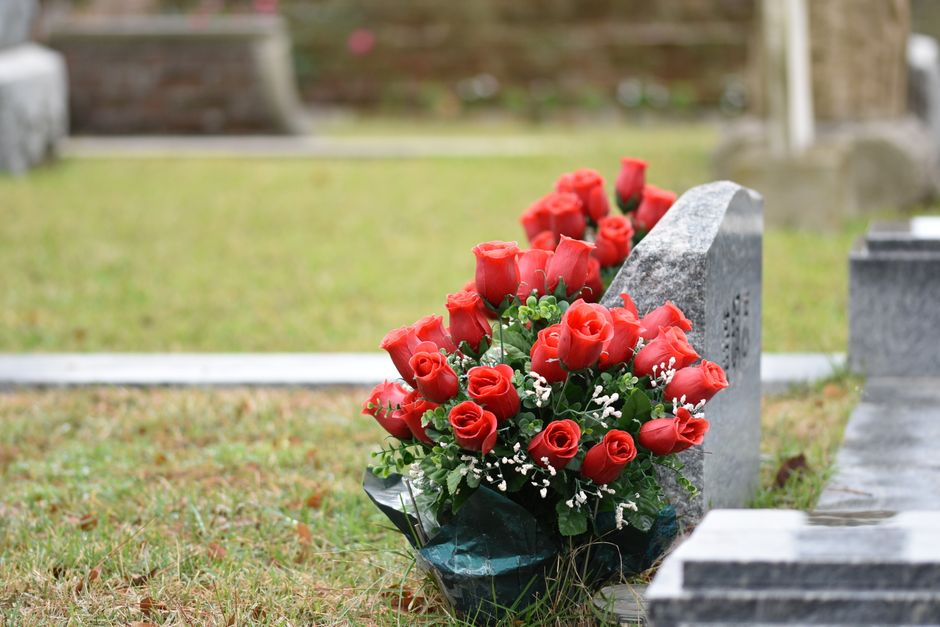
Table of Contents
- Why these cemetery flower rules matter
- How the rules usually work in practice
- Key benefits and practical advantages
- Who this is for and when it makes sense
- Step-by-step guidance
- Expert tips for better results
- Common mistakes to avoid
- Tools, resources and recommendations
- Law, compliance, standards, or best practice
- Options, methods, or comparison table
- Case study or real-world example
- Practical checklist
- Conclusion
- Frequently asked questions
Why What Hackney Council allows for cemetery flowers Matters
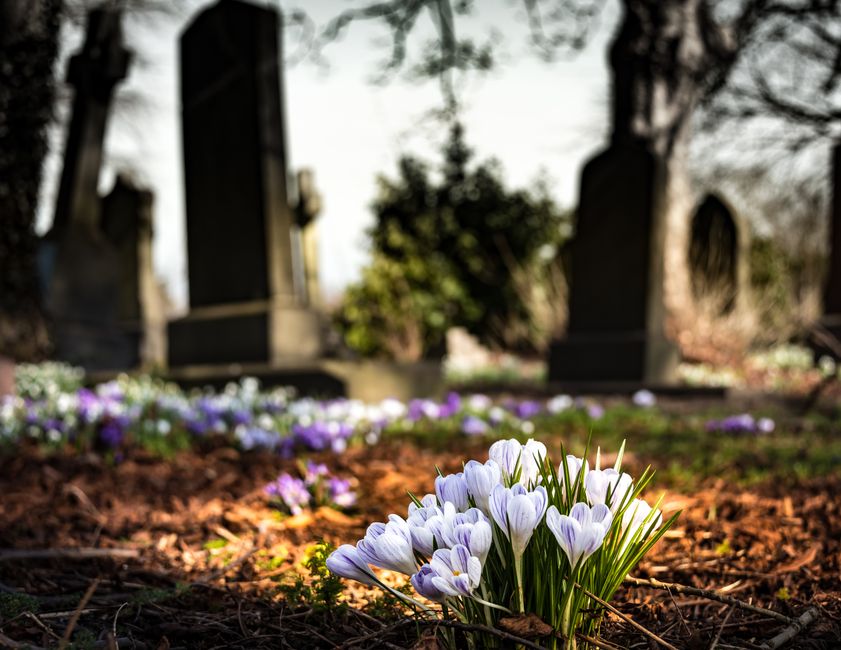
Cemetery flowers are not just decoration. They are part of how many people show love, remembrance, and respect. That matters emotionally, of course, but it also matters practically because cemeteries have to balance memorial needs with upkeep, access, and safety. A place that looks peaceful to a visitor still has to be maintained by grounds staff, sometimes in wet weather, with machinery, foot traffic, and limited space. It is not glamorous work, but it is essential.
Understanding the rules helps you avoid a frustrating visit where you discover flowers have been removed, moved, or placed somewhere they should not be. It can also stop accidental damage to neighbouring plots or paths. To be fair, most issues are not caused by bad intentions. People often just assume that "flowers are flowers" and any tribute will be fine. In reality, councils tend to be more specific than that.
For families, this knowledge also reduces uncertainty at sensitive times. If you are arranging flowers for a funeral service, an anniversary visit, or a seasonal remembrance day, you want the tribute to last and to be allowed. Nobody wants to arrive with a carefully chosen arrangement only to realise it is too large, too fragile, or simply in the wrong format.
There is another layer here too. Cemetery rules are part of a wider responsibility to keep shared memorial spaces dignified. That means the best tribute is often the one that is tasteful, stable, and easy to care for. Simple does not mean thoughtless. Often, it means considered.
Expert summary: The safest approach is usually a neat, stable floral tribute placed in the proper memorial area, using weather-resistant materials and avoiding anything that could obstruct maintenance or become a hazard.
How What Hackney Council allows for cemetery flowers Works
In most council-run cemeteries, floral tributes are allowed as long as they meet a few basic expectations. The exact details can vary by cemetery section, grave type, and local management practice, so it is always sensible to check the current cemetery guidance if you can. But the overall logic is straightforward.
First, flowers should normally be placed in a designated memorial position. That might be a vase block, a permitted vase holder, a grave edge, or another defined area. If a plot has specific restrictions, those matter. A bouquet placed neatly in the wrong location can still be treated as a problem if it blocks access or sits outside the permitted area.
Second, the tribute should be safe and manageable. Council staff need to cut grass, trim edges, and move through the area without getting caught up in loose wire, broken plastic, tall stands, or unstable ornaments. Fresh flowers in a solid container are usually much easier to accommodate than sprawling displays with many extras attached. You get the idea.
Third, the flowers should be kept respectful and tidy. Most cemetery rules are not about banning beauty; they are about reducing clutter. A faded bouquet after a week of rain, for example, can quickly become untidy. In the British climate, that happens sooner than people expect. One day the arrangement looks lovely, the next it is a bit sad and droopy, and then a gust of wind has done the rest. Nature, eh?
Finally, some cemeteries may remove items that are unsafe, overgrown, damaged, or left for too long. That does not necessarily mean the tribute was "wrong"; it may simply have reached the point where it no longer fits the site's upkeep standards. This is why practical choices matter as much as sentimental ones.
What is usually acceptable
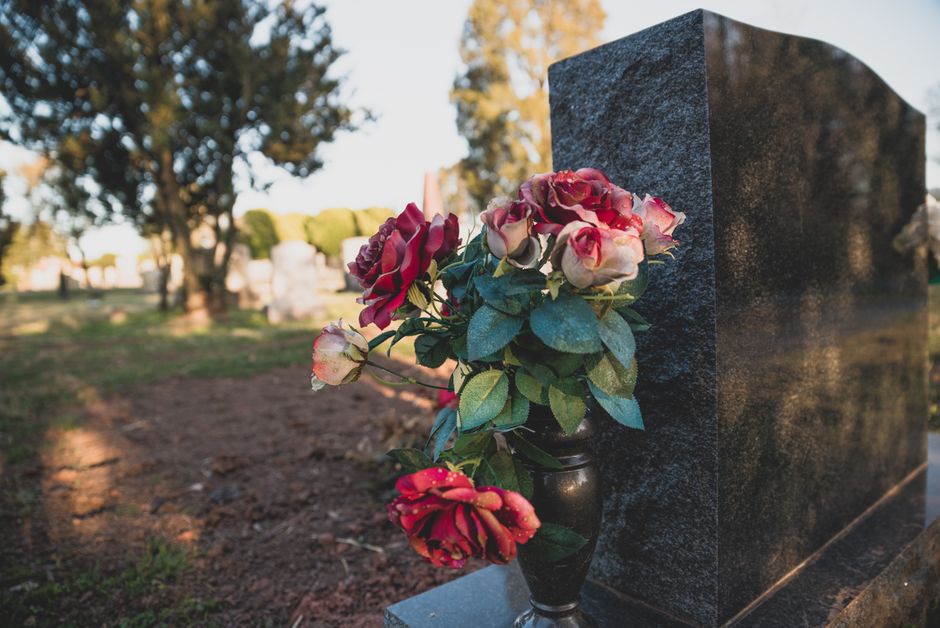
- Fresh cut flowers in a suitable vase or container
- Small, neat floral tributes that stay within the grave area
- Respectful seasonal arrangements for memorial visits
- Sympathy flowers placed temporarily after a funeral or remembrance visit
What can cause issues
- Large or unstable displays that block maintenance access
- Damaged containers, sharp fixings, or broken ornaments
- Overly artificial-looking clutter that does not fit the cemetery setting
- Items left too long after they have faded or become unsafe
For some families, the simplest option is also the most reliable: a carefully chosen funeral arrangement from a specialist range such as funeral flowers or a softer tribute like sympathy flowers. Those categories are designed with remembrance in mind, which usually makes them more suitable for cemetery settings than a general bouquet.
Key Benefits and Practical Advantages
Knowing what Hackney Council allows for cemetery flowers gives you more than compliance. It gives you peace of mind, better value, and a tribute that actually lasts long enough to matter. That sounds obvious, but it is easy to forget when emotions are running high.
1. Less risk of removal or repositioning. If your flowers fit the usual cemetery expectations, they are less likely to be taken away or moved. That means the tribute stays where you intended it to stay.
2. A tidier, more dignified grave space. A neat floral arrangement tends to look better for longer. It also sits more naturally within the quiet, reflective atmosphere of a cemetery.
3. Easier maintenance for the grounds team. This is one of those practical details people often overlook. If the grave area is easy to maintain, there is less chance of accidental damage to your tribute or neighbouring memorials.
4. Better value for money. A well-chosen arrangement that survives longer can be better value than a larger one that quickly wilts or gets removed. Truth be told, this matters quite a lot when you are already paying for many other things at once.
5. Less emotional stress. When you know the tribute is suitable, you can focus on remembrance rather than rules. That is probably the biggest benefit of all.
Who This Is For and When It Makes Sense
This topic is relevant to several groups, and each group tends to have slightly different needs. If you recognise yourself in one of these, you are in the right place.
Families arranging a funeral or burial tribute
If you are choosing flowers for a burial or memorial service, you likely want something dignified and straightforward. A funeral spray, wreath, or sympathy tribute is often a practical choice because these are designed for remembrance and are usually easier to place appropriately.
People visiting a grave regularly
Regular visitors often want a simple, dependable arrangement that does not need much maintenance. Fresh flowers in a stable vase can be ideal. Some people prefer white or soft-toned flowers because they feel calm and timeless. Others like seasonal colour. Either way, the key is stability and suitability.
Those remembering anniversaries or special dates
Anniversary visits can be emotional, and a floral tribute is often part of the ritual. In those moments, the flower choice is less about decoration and more about meaning. A classic wreath, posy, or basket arrangement can work beautifully if it is practical for the site.
Local residents who need same-day or next-day flowers
Sometimes the need is sudden. A date has crept up. A family member has asked for something. Or you simply realise, at 8:00 in the morning, that today is the day. In that case, having access to same-day flower delivery in Hackney Marshes or next-day flower delivery can make a real difference.
People looking for affordable but respectful options
Not every memorial tribute needs to be elaborate. In fact, a modest tribute can be the most fitting choice. If budget matters, look at a thoughtful range of budget flowers or a simple florist choice bouquet. There is nothing lesser about keeping it simple. Not at all.
Step-by-Step Guidance
If you want to get this right without overthinking it, follow this process. It is practical, calm, and works well for most situations.
- Check the memorial area first. Look at the grave type, the available space, and whether there is a vase holder or a defined place for flowers. If you are unsure, assume less is more until you can confirm the details.
- Choose the right style of tribute. For cemetery use, neat arrangements generally work best. A wreath, posy, spray, basket, or compact vase arrangement is often easier to manage than a loose bouquet with trailing stems.
- Pick flowers that will hold up well. Some flowers cope better than others in mixed weather. Roses, chrysanthemums, carnations, lilies, and alstroemeria are often used in remembrance work because they can look dignified and last reasonably well. For a softer look, white or mixed arrangements can be very effective.
- Decide on colours with meaning in mind. White usually feels calm and traditional. Red can feel more personal and strong. Purple often suggests dignity and reflection. Mixed colours can feel warm and celebratory. There is no single right answer, but there is usually a right tone for the person you are remembering.
- Keep the tribute stable. A secure container matters. Wind, drizzle, and uneven ground can all cause problems. A tribute that stays upright is far more likely to remain respectful and tidy.
- Place the flowers carefully. Avoid blocking paths, neighbouring memorials, or maintenance access. A tribute should look like it belongs there, not like it has landed by accident.
- Return and refresh if needed. If you plan to visit often, take a few minutes to replace wilted stems, remove debris, or top up water. Small care goes a long way.
If you want a tribute that already suits a memorial setting, browse dedicated remembrance options such as tributes, wreaths, or a compact basket or posy. Those formats usually align well with cemetery expectations.
Expert Tips for Better Results
Here is where the small details matter. These are the bits people do not always think about until after the visit, and then it is a bit too late.
Choose the tribute shape to match the setting
A flat or low arrangement tends to sit better in shared cemetery spaces than something tall or sprawling. If the grave is compact, go compact. That sounds obvious, but people still get caught out.
Think about weather, not just appearance
In Hackney, and across London generally, rain can arrive out of nowhere. A flower that looks fine in the shop can behave very differently outside. If the tribute needs to stay for several days, choose sturdy blooms and avoid anything that dries out fast or collapses easily.
Use colours with purpose
White and green arrangements often feel restful and understated. Pink can feel gentle and affectionate. Deep red can be powerful and romantic, while mixed arrangements can feel more celebratory or family-centred. The best choice is the one that reflects the relationship honestly.
Keep extras restrained
Ribbons, cards, and small keepsakes can be meaningful, but too many extras can turn a neat tribute into clutter. One thoughtful card is usually enough. Less can be more, especially in a cemetery.
Plan for the second visit, not just the first
A good tribute should still look decent after a few days. If you know you will not return for a while, choose longer-lasting flowers and a stable water source where appropriate. A tribute should not just be pretty for ten minutes. That would be a shame.
One practical habit that helps: keep a small note of the arrangement name or flower types you used. The next time, you can repeat what worked rather than starting from scratch. A tiny thing, yes, but useful.
Common Mistakes to Avoid
Most problems with cemetery flowers are avoidable. Usually, they come from haste, not disrespect. Here are the main ones to watch out for.
- Choosing an arrangement that is too large. A big display may look impressive at home but can be awkward in a cemetery.
- Using a weak or lightweight container. Wind and rain expose poor-quality containers very quickly.
- Leaving wilted flowers in place for too long. Faded flowers can make a grave look neglected even when the intention was loving and sincere.
- Blocking access paths or neighbouring plots. This can create problems for maintenance and for other visitors.
- Adding fragile decorative items. Anything that can break easily is a risk in an outdoor setting.
- Ignoring any specific plot rules. This is the one people miss most often. A small restriction can still matter.
A useful way to think about it is this: if the tribute is likely to blow over, crumble, or get in the way, it is probably not the best choice. Simple judgment, really.
Tools, Resources and Recommendations
You do not need a huge toolkit to manage cemetery flowers well, but a few practical items make life easier.
- A weather-resistant vase or container: useful for keeping stems stable and upright
- Floral foam or water support where appropriate: helps certain arrangements stay fresh, though it should be used carefully and cleanly
- Sharp scissors or flower snips: for trimming stems neatly before placing them
- Soft cloth or small bag: handy for taking away packaging, damaged stems, or old flower ties
- A simple card or note: if you want to include a personal message without overcrowding the tribute
When choosing flowers, you may find it helpful to use categories that already suit memorial occasions. For example, sympathy flowers are designed for thoughtful occasions, while funeral arrangements and sprays are often more appropriate for formal remembrance. If you prefer something smaller and gentler, a compassion posy or heartfelt sympathy posy can be a good fit.
For people who want a slightly more personal tone, tribute-style designs can also help. Options such as a loving memory wreath or an in-my-prayers wreath often feel considered without being overdone.
Law, Compliance, Standards, or Best Practice
Because this is a council cemetery setting, the main thing to understand is that rules are usually about site management rather than personal taste. The council's responsibility is to run the cemetery safely and respectfully, and visitors are generally expected to work within those site rules. That can involve restrictions on what can be placed on graves, how long items remain there, and whether certain decorations are allowed at all.
There is no need to turn this into a legal puzzle. Most of the time, common sense and respect go a long way. Best practice usually means:
- using tidy, stable arrangements
- keeping flowers within the allotted grave space
- removing dead or damaged items promptly
- avoiding sharp, breakable, or hazardous decorations
- being considerate of cemetery staff and other visitors
If a cemetery has specific instructions, follow them. That is the safest route, and also the most respectful one. Sometimes people want certainty where there simply is not much room for improvisation. Fair enough. Memorial spaces are not the place to wing it.
In broader UK practice, cemetery flower standards are shaped by dignity, access, safety, and maintenance. Those principles are simple, but they matter. The most respectful tribute is often the one that fits the place properly and can be cared for without difficulty.
Options, Methods, or Comparison Table
If you are unsure what kind of floral tribute to choose, this comparison may help. It is not about which option is "best" in a universal sense. It is about which one suits the cemetery setting, the occasion, and the practical realities.
| Option | Best for | Pros | Things to watch |
|---|---|---|---|
| Fresh bouquet in a vase | Simple grave visits | Natural, neat, familiar | Needs water and can wilt quickly |
| Wreath | Formal remembrance and funerals | Stable shape, symbolic, tidy | Can be too large if not chosen carefully |
| Posy or basket | Smaller graves or compact spaces | Easy to place, gentle appearance | May need replacing sooner in warm weather |
| Spray | Funeral and memorial tributes | Traditional and respectful | Check placement space before choosing |
| Tribute lettering or specialist memorial design | Highly personal remembrance | Meaningful and distinctive | Requires more space and careful handling |
If you are choosing between styles, a compact sympathy spray, a florist choice sympathy option, or a simple mid-sized florist choice arrangement can be a practical starting point. These types often strike the right balance between meaning and manageability.
Case Study or Real-World Example
Here is a realistic example, based on a common sort of request. A family wants to visit a relative's grave in Hackney on a Sunday afternoon, after not being able to get there for a few weeks. They want flowers that feel personal but do not look overcomplicated. They also know the weather has been hit and miss all week, so they need something that will still look decent if the rain turns up.
They choose a white-and-green tribute in a compact basket style, with a short handwritten card. The arrangement is small enough to sit neatly without spreading into the path, and the flowers are sturdy enough to hold their shape through a cool, damp day. The family visits, pauses, and leaves the flowers in place without worrying whether they have overstepped any cemetery rule.
That is really the point. Not grand. Not fussy. Just appropriate.
On a later visit, they decide to switch to a wreath for an anniversary date, because the shape feels more formal and reflective. That small change makes sense because the context has changed. This is how most good cemetery flower choices work: they respond to the place, the season, and the reason for the visit.
We often see that the most successful tributes are not the most expensive ones. They are the ones that are chosen with care and a bit of forethought. A surprising number of people learn this the hard way, then say, "Ah, right, that would have been easier."
Practical Checklist
Use this quick checklist before you buy or place cemetery flowers:
- Have I checked the grave area and available space?
- Does the tribute suit the occasion and the person being remembered?
- Is the arrangement stable enough for outdoor conditions?
- Will it fit neatly without blocking access or nearby memorials?
- Have I chosen flowers that are likely to last well?
- Is the container suitable for wind and rain?
- Have I avoided fragile or bulky decorations?
- Do I know when I can next visit to refresh or remove the flowers if needed?
- Does the tribute feel respectful, simple, and thoughtful?
- Am I comfortable that it matches cemetery best practice?
If you can tick most of those off, you are probably in good shape. And if one or two are uncertain, it is worth simplifying the arrangement a little. That usually solves the problem.
Conclusion
So, what Hackney Council allows for cemetery flowers comes down to something quite humane: respectful, tidy, and practical tributes that fit the cemetery space and do not interfere with maintenance or safety. The best choices are usually the ones that look thoughtful without being oversized or awkward. Fresh flowers, stable containers, and compact memorial styles tend to work well.
If you are arranging flowers for a grave, a memorial visit, or a funeral tribute, keep it simple, keep it secure, and choose something that reflects the person properly. That small bit of care makes a big difference. It shows respect not just to the person you are remembering, but to the shared space around them too.
Get a free quote today and see how much you can save.
And if you are still unsure, that is perfectly normal. A careful choice made in good faith is almost always better than a hurried one. In the end, a good tribute does what it should: it speaks gently, and it lasts long enough to be felt.
Frequently Asked Questions
Can I leave fresh flowers on a Hackney cemetery grave?
In most cemetery settings, fresh flowers are usually allowed if they are placed neatly and do not block access or maintenance. A stable container helps a lot. If the grave has specific rules, those take priority.
Are artificial flowers allowed in Hackney Council cemeteries?
That can depend on the cemetery's current guidance and the specific grave area. Some sites allow them in limited forms, while others prefer fresh flowers or remove items that become untidy. It is always better to keep the display respectful and unobtrusive.
What kind of flower arrangement is best for a cemetery?
Compact, stable arrangements usually work best. Wreaths, posies, sprays, baskets, and vase arrangements are commonly suitable because they are neat and easier to maintain. Large, loose, or top-heavy displays can be awkward.
How long can flowers stay on a grave?
That depends on the cemetery's practice and the condition of the flowers. Faded or damaged flowers may be removed if they become untidy. In practice, it is sensible to refresh them before they start to collapse or rot.
Do I need permission before placing flowers on a grave?
For a simple floral tribute, permission is not usually the issue. The key is whether the flowers comply with the cemetery's rules and fit the designated area. If you are placing something unusual or large, checking first is wise.
What colours are most appropriate for cemetery flowers?
There is no single rule, but white, green, purple, red, and mixed soft shades are common choices. White often feels calm and traditional, while red can feel more personal. The right colour is usually the one that feels true to the person and the moment.
Can I place flowers directly on the soil?
Sometimes that may be acceptable, but many graves are better suited to a vase holder or a defined memorial area. Direct placement on soil can be less stable and may not look tidy for long, especially in wet weather.
Will Hackney Council remove dead flowers from a grave?
It may. Councils and cemetery teams generally need to keep the area tidy and safe, so wilted or damaged flowers can be cleared away. That is one reason why choosing long-lasting flowers and checking them regularly is helpful.
What is the safest flower choice for bad weather?
Sturdy blooms and compact arrangements usually cope better than delicate, loose designs. Roses, chrysanthemums, carnations, and similar hardy flowers are often used because they tend to hold up reasonably well outside.
Is a wreath better than a bouquet for a cemetery?
Not always. A wreath can be very fitting for a memorial or funeral, but a bouquet may be more suitable for a smaller or more informal visit. It depends on the space, the occasion, and how long you want the tribute to remain neat.
Can I order cemetery flowers for same-day delivery?
Yes, if the florist offers it and the order is placed in time. Same-day or next-day delivery can be useful when a memorial date has come around quickly. For local delivery, options like same-day delivery in Hackney Marshes can be especially convenient.
What if I want something more personal than standard flowers?
You can choose tribute-style flowers that feel more specific, such as a named wreath, cross, heart, or personalised tribute. Those arrangements can express affection very clearly while still staying appropriate for a cemetery setting.